Journalism of Courage



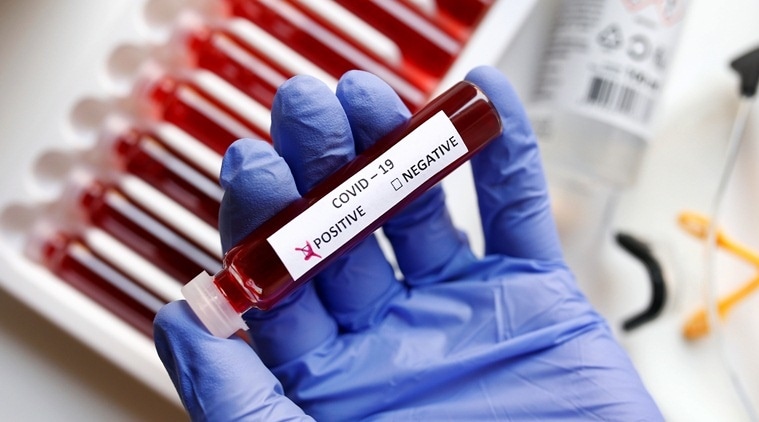 As per the April 12 health bulletin, government labs, including the ones in Centre-run AIIMS and RML, have undertaken 11,519 tests and private labs 2,517. (Representational Image)
The number of COVID-19 ‘containment zones’ is growing in Delhi — it stood at 43 on Sunday — but the unavailability of rapid antibody testing kits continues to keep the scope of testing limited, interrupting CM Arvind Kejriwal’s plan to emulate the South Korean model of mass testing.
Reports from several districts in the national capital suggest that authorities are so far not in a position to scale up testing, even at the 43 containment zones — clusters with stricter restrictions on movement to contain the spread of COVID-19.
As per the April 12 health bulletin, government labs, including the ones in Centre-run AIIMS and RML, have undertaken 11,519 tests and private labs 2,517. In government labs, 1,022 have tested positive, while results of 941 samples are pending. Among the samples at private labs, 132 have tested positive and 43 are pending. In all these cases, the Polymerase Chain Reaction (PCR) direct tests have been carried out.
In East Delhi, 2,757 people residing in the district’s nine containment zones have been “medically examined” so far. However, there was no official word on how many have been tested, apart from the contacts of confirmed cases and those with symptoms of ILI (influenza-like-illnesses).
In South Delhi, 10-15 persons in each of the three containment zones have undergone testing, DM (south) B M Mishra said.
Mishra, himself a doctor, also said that rapid testing in itself may not be able to map the spread of the virus accurately. “Rapid antibody tests will tell you if a person has developed antibodies or not. Through that, you will know whether a person has contracted the virus or not. However, to be sure if the virus is active or not one needs to test whether the antibody developed is immunoglobulin M or immunoglobulin G. Only the presence of the latter will show that a person has overcome the virus,” Mishra explained.
Officials of the West district said they have completed screening of residents of all three containment zones. “We did not find anyone symptomatic. Only family members of those who tested positive have been tested so far. Community testing is likely to begin on Monday,” said an official.
Central district authorities said they have begun screening and testing across the three densely populated clusters in Chandni Mahal, Nabi Karim and Sadar Bazar. However, consolidated data was not immediately available.
The government also shared that in the Southeast district, 2,010 houses covering a population of 8,499; 220 houses with 1,300 people in South and 2,800 households with 250,00 people in North districts have been “surveyed by medical teams”.
On April 7, Kejriwal had announced that testing in Delhi would be made more aggressive along the lines of the South Korea model. This, the CM said, would enable the government to identify the hotspot areas of the COVID-19 outbreak and take necessary action.
The April 4 ICMR advisory on testing, which has been adopted by the Union Health Ministry, advises rapid antibody testing only for those with symptomatic influenza-like-illnesses in containment zones. The containment zone orders also reflect that, with emphasis on “screening of each and every person”, and enforcement of other medical regulations and check up”, steering clear of any specific emphasis on random testing.
However, the Delhi government had planned to begin random testing, not limiting the collection of samples only from those showing cold or flu symptoms. Accordingly, an order for 1 lakh testing kits was placed with an ICMR-approved vendor, which were to be delivered beginning April 9. Government sources said they have not received the kits so far.
For now, teams of the administration are carrying out a door-to-door survey in the containment zones to find out ILI symptomatic cases; people who may have come in touch with confirmed patients, or attendees of the Nizamuddin Markaz congregation, among others.
“Residents are being watched and have been told to reach out as soon as they develop influenza symptoms. Size of the containment zones is also very limited, in most cases, a lane with a few families,” said Mishra. Rapid kits have not yet reached the district.
What are antibody tests
New Delhi: Antibody tests involve taking blood samples to see if a person has developed antibodies against the virus. The presence of antibodies would mean the person may have developed resistance to the virus, if not complete immunity. This happens to be a faster alternative to the direct PCR tests, under which throat or nasal swabs are taken. The tests would throw up instances of people who may have been infected by the virus in the past but never diagnosed. This would help authorities assess the spread of the virus.



 5 min read