3 min read

Click here to join Express Pune WhatsApp channel and get a curated list of our stories
© The Indian Express Pvt Ltd



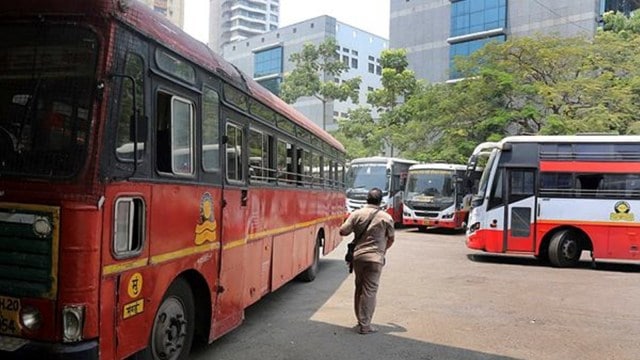 The state transport corporation last increased fares in 2021, raising ticket prices by 18 percent. (Express Archive Photo/ Ganesh Shirsekar)
After three years, the Maharashtra State Road Transport Corporation (MSRTC) has implemented a 15 percent fare hike in buses, citing rising maintenance costs, including diesel prices and other expenses, as the primary reasons for the increase.
The state transport corporation last increased fares in 2021, raising ticket prices by 18 percent. More recently, MSRTC announced a 14.95 percent fare hike for Shivneri, Shivshahi, night services, and other premium and normal buses, which came into effect on January 25.
MSRTC’s Pune Divisional official, Pramod Nehul, attributed the current hike to the growing operational costs. “From diesel and chassis to tyres and dearness allowances, these are the major expenses that MSRTC is now facing,” he said. “This is not the first time we have raised fares. We review and revise them periodically,” Nehul added.
According to Nehul, the transport body continues to grapple with financial challenges, including losses amounting to thousands of crores. However, in November last year, MSRTC recorded a revenue of Rs 941 crore, its highest monthly earnings for 2024. The increase in revenue was attributed to the Diwali festive season, which led to a surge in passenger numbers.
When asked about the potential impact on commuters, Nehul said that there would be no such negative effect. “Even after the fare hike, our ticket prices will remain lower than those of private operators and travel agencies. People will still prefer government-run buses,” he said.
However, some commuters expressed dissatisfaction with the fare increase. Akshay Tambe, an IT professional passenger, questioned the fairness of the decision. “Does this mean private buses, which often hike their fares during festivals with RTO permits, will now have more room to overcharge?” he asked.
According to RTO regulations, private operators are allowed to charge up to 1.5 times the standard fares set by MSRTC but cannot exceed this limit for buses in the same category.
Addressing concerns regarding fare concessions, Nehul clarified that discounts for specific categories of passengers, such as senior citizens and women, would remain unchanged. “The concession formula remains the same—50 percent subsidy for senior citizens aged 65 and above and women passengers, while travel remains free for commuters aged 75 or more. However, with the fare hike, the overall concession amount will increase proportionally,” he explained.