


Click here to follow Screen Digital on YouTube and stay updated with the latest from the world of cinema.
© IE Online Media Services Pvt Ltd
Tags:


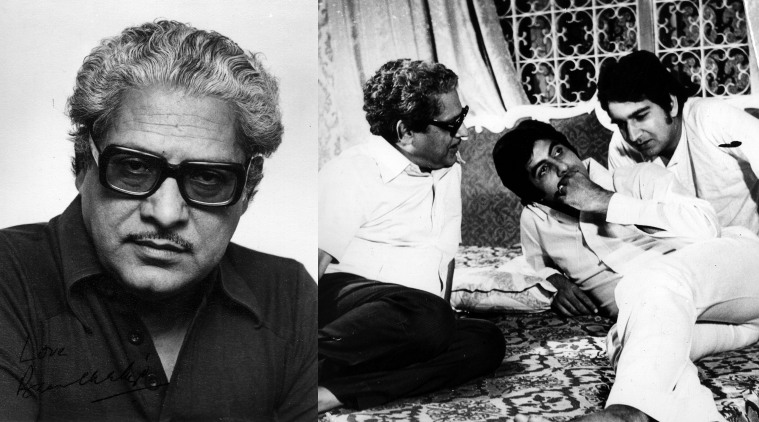
“Aisa kewal filmon mein hota hai!” (This happens only in films!) That is a common refrain when we express the desire to do something that seems out of the ordinary. The comparison is apt. Films, especially in India, have often offered viewers an alternative universe, one in which heroes are almost of superhero stature and where anything is possible. Small wonder that many commercial directors like to call themselves “dream merchants”.

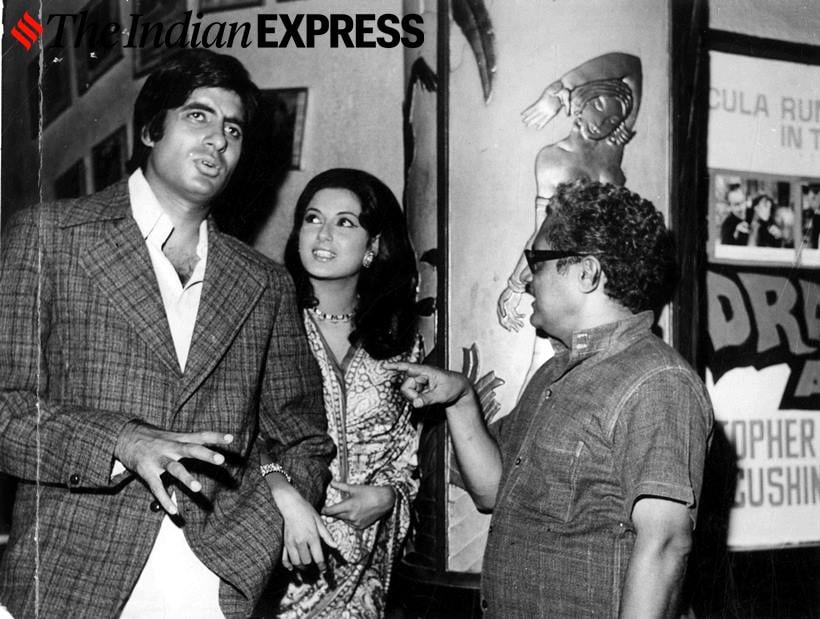
It was this feather touch that made his films perhaps the finest and least polarising of all in the golden seventies. There was no sex or violence for shock value. There was no crazy glamour or action. There were no deep philosophical discussions or even outrage and anger. Actually, it would be tough to recall any extraordinarily dramatic dialogues. There was just life as you often saw it, served up in a manner designed to move you gently, and smile more often than not.
Basu Chatterjee (1927-2020): A pictorial tribute to ace filmmaker
Chatterjee’s gift was making people realise that you did not need something fantastic to be happy. Your routine everyday life had its share of smiles too, and something extraordinary did not need to happen to make you smile. Chatterjee’s films never relied too heavily on slapstick. My mother still cannot stop smiling whenever she remembers Pearl Padamsee imploring her son in Baaton Baaton Mein to not go and play the violin at the beach – “Log bhikhari samjhenge” (People will think you are a beggar). You did not need jokes or funny expressions – the normal was enough to make you smile. It was not as if Chatterjee could not serve up bitter reality tinged with rage. Anyone who has seen the stark and stunning Ek Ruka Hua Faisla knows he could. It is just that he chose to put an arm around your shoulder and gently tell you a tale.
Also read | Basu Chatterjee gave us characters we felt for, we rooted for | Celebrities mourn the demise of Basu Chatterjee | Why Basu Chatterjee’s interpretation of Byomkesh Bakshi is the gold standard | Basu Chatterjee’s cinema celebrated the common man and woman with gentle humour | Best Basu Chatterjee films that you can watch online
Which is why perhaps the biggest compliment that can be paid to him on the day of his demise is that his films sparked no trends. No one dressed or spoke like a Basu Chatterjee hero or heroine. They did not need to. Because we all saw ourselves reflected on screen.
Basu Da was to films what RK Laxman was to cartoons. Both dealt with reality. Both tried to show real life while making you smile. And both made the common person the hero.
Bollywood has not lost a dream merchant. Day to day life has lost one of its greatest silver screen narrators. The kind of person whose films made you go: “Aisa to mere saath bhi hota hai” (“That is what happens to me as well”).
Click here to follow Screen Digital on YouTube and stay updated with the latest from the world of cinema.


