3 min read
Stay updated with the latest - Click here to follow us on Instagram

Journalism of Courage



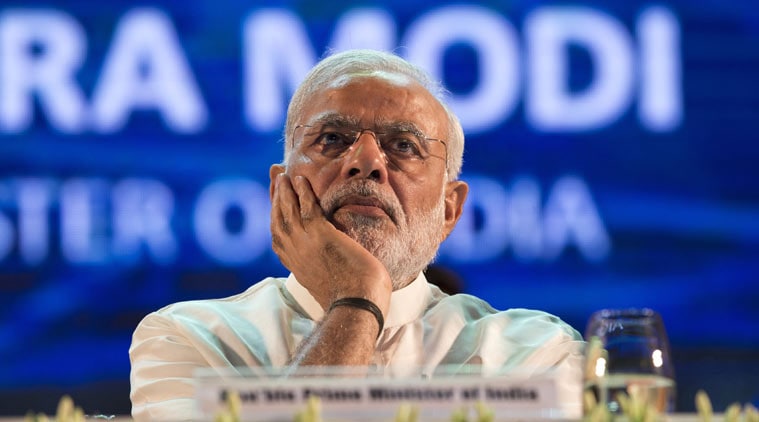 The Gujarat government, then led by Narendra Modi, first introduced the GUJCOC Bill in 2003.
The NDA government at the Centre has sent back the controversial Gujarat Control of Terrorism and Organised Crime (GCTOC) Bill, 2015 to the state, government after certain objections were raised by the Ministry of Information and Technology (IT).
The IT ministry has objected to a provision in the Bill which allows authorisation of interception of telephone conversations and their admissibility as evidence before a court of law.
The Ministry of Home Affairs (MHA) had sent the Bill to the IT ministry as part of inter-ministerial consultation.
[related-post]
The Bill is pending presidential assent for becoming a law as some aspects are in conflict with central laws.
On March 31, the Gujarat assembly had passed the stringent anti-terror Bill, retaining controversial provisions that had thrice earlier led to previous such Bills being rejected by the President.
The GCTOC Bill, 2015 makes only minor changes in the controversial Gujarat Control of Organised Crime (GUJCOC) Bill, including adding the word “terrorism” in the name.
However, it retains clauses such as permitting admissibility of evidence collected through interception of telephone calls of an accused or through confessions made before an investigating officer, in a court of law.
The Gujarat government, then led by Narendra Modi, first introduced the GUJCOC Bill in 2003, with the same clauses, including increasing the period to file a chargesheet from 90 to 180 days, and laying down strict conditions for bail to be given to the accused.
The Bill was rejected by then President A P J Abdul Kalam in 2004, with the suggestion that the clause relating to interception of communication should be removed.
The NDA was in power at the time.
The state assembly passed the GUJCOC Bill again twice after that, each time under Modi as chief minister.
Former President Pratibha Patil also refused to clear the Bill, seeking more changes, including deletion of the provision allowing confessions before a police officer as evidence in court.
The Gujarat government, however, ignored Patil’s suggestions and cleared the Bill for the third time in 2009, which was rejected again.
The GCTOC Bill, while reintroducing the provision allowing interception of communication and retaining the one relating to confessions made before a police officer, only proposes that the officer concerned be of the rank of superintendent of police and above.
Stay updated with the latest - Click here to follow us on Instagram