Journalism of Courage
 3 min read



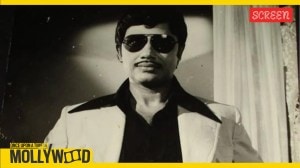
NEW DELHI, October 4: Rasa Bhaava Darshan, was not just a release of a book comprising 215 black-and-white pictures that capture the eight rasas and 49 bhaavas by renowned actor Sajjan, it was also enactment of the bhaavas on the stage by the veteran himself. With his silver hair tied in a scarf and a neatly trimmed beard accentuating his bhavas, he used only the first four English alphabets to verbally support his performance. To him, and those who have worked on the book, it was also an occasion to mark the celebration of the accomplishment of the hard work by an actor, a photographer and a scholar spanning 25 years.
In a quiet function organised here today at the India International Centre, this book based on Bharat Muni’s 3,000 years old treatise, Naatyashaastra, was released by Dr Kapila Vatsyayan in the presence of Omesh Saigal, the noted critic and Chief Secretary of Delhi, Ram Gopal Bajaj, Director, National School of Drama and D N Malhotra, Director, Hind Pocket Pocket Books. Also present for the occasion were Dr B V Mishra, the noted drama scholar who has provided the text in three different languages — Sanskrit, Hindi and English — to explain each picture in the book. And photographer O.P. Sharma, an internationally acclaimed photographer and winner of 400 national and international awards, who has been working on this project since its conception — 30 years ago.
What makes the book special, according to the publishers, is that it is for the first time that the rasas and the bhaavas have been enacted in strict accordance to the original classic and using only the facial expressions as against the entire body as has been depicted in the past. Said Mishra, “It was not really an easy a job to capture each rasa and the various bhaavas according to the limitations set by the Bharat Muni in his classic as it appears in the book. Not even for Sajjan, the veteran actor from the days of Prithviraj Kapoor. (He was also the assistant director to the late director and a successful lyricist for Talat Mehmood.) For it meant detail research on each bhaava — which included going to the ancient temples all over the South and even to Nepal to visualise the bhaavas as carved in the stone statues — the perfect enactment of each bhaava, critical sifting of pictures and re-shoot, if necessary, before the final picture was selected for the book.” An effort which they hope will beacknowledged by the critics and scholars in many centuries to come.
The evening in itself held the promise of a seminar given the number of scholars that were present for the occasion. A wish also voiced out by Mishra and Vatsayayan in reply to a contemplative question asked by Bajaj on the base of the rasa theory as depicted by Bharat Muni himself. The surprise of the evening, however, remained the rendition of one of the poems written by Sajjan himself, with due apologies to his wife who was also present in the audience. And not surprisingly, as the lines went: Phir pyar kiya, phir roye; Kya kehna takdeeron ka, jab apna naseeba soye…