
Opinion BJP holds edge in first two phases as UP goes to polls from February 11
As the first two phases will cover western UP districts, including riot-scarred Muzaffarnagar and Shamli, this seems to give an edge to the BJP which remains strongest in the region.


-
 Share
Share -

-

-

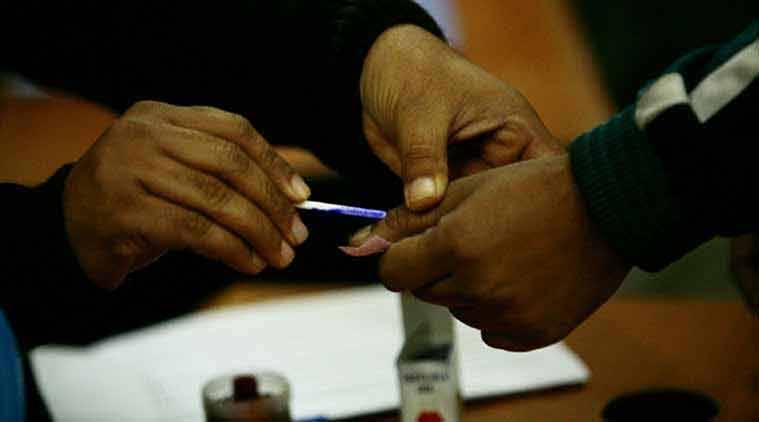 These two phases in Muslim-dominated areas will also be a test by fire for BSP chief Mayawati where the party remained a strong player until 2014. Photo for representational purpose.
The Election Commission of India on Wednesday announced the dates of assembly elections for Uttar Pradesh’s 403 assembly seats, beginning with the first phase’s polling in west UP on February 11 and the last phase’s in east UP on March 8. The results will be announced on March 11.
As the first two phases will cover western UP districts, including riot-scarred Muzaffarnagar and Shamli, this seems to give an edge to the BJP which, opinion polls have suggested, remains strongest in the region. The east UP areas are going to polls in the later phases, giving the BJP more time to focus on the region and try to bring the momentum from west.

Watch What Else Is Making News:
These two phases in Muslim-dominated areas will also be a test by fire for BSP chief Mayawati as it will decide if her Dalit-Muslim combine plank is tenable in a region where the party remained a strong player until 2014. They will decide if she is able to keep her Dalit support base intact amid intense wooing by the BJP and garner more Muslim support than the last elections.
The Samajwadi Party is going through a turmoil as a dispute between Chief Minister Akhilesh Yadav and his father Mulayam Singh Yadav remains unresolved. It will also face a test about whether it can keep its Muslim support intact after the control of the party comes to Akhilesh, and Mulayam is largely consigned to history. The SP’s strongholds of eastern UP and central UP will go for polls in later phases.
The tilt of votes, especially the minorities, in the first two phases could also show the tendencies of the communities to vote and determine if the overall contest will be between BJP and SP or BJP and BSP or a three-way fight. The Muslim-dominated region could also give a hint about any possible impact that All India Majlis-e-Ittehadul Muslimeen leader Asaduddin Owaisi will have on the elections.
The first phase of 2012 assembly elections included the districts of Terai and eastern UP, Sitapur, Bahraich, Gonda, Siddharthnagar, Shravasti, Basti, Faizabad, Balrampur and Ambedkar Nagar, all of which were nearly swept by the SP, giving it a much needed boost in the start of the campaign.
The six-phase 2014 Lok Sabha elections had also started from the same region of west UP, consisting of Muzaffarnagar, Shamli, Saharanpur, Baghpat, Meerut, Ghaziabad, Gautam Buddha Nagar, Bulandshahr, Aligarh. The BJP had swept not just the region but also the state, winning 73 out of 80 seats.
The state has gone for polls in seven or six phases most of the time because of its huge population and the sensitivity of areas, even though the incidents of poll-related violence have greatly reduced in last few elections. While the districts of west UP and Terai are communally sensitive, the regions of eastern UP and Bundelkhand are especially known for the influence of local musclemen.
The need for deployment of central security forces is another factor that the polls are divided into seven phases. Those involved in the election process suggest reduction in the phases will be problematic from administrative as well as security arrangements perspective.
-
Share
-
-
-
Share


