Simon Harmer kept it simple to script South Africa’s famous win over India
Tap for summary
Vodafone Idea’s ongoing fight for survival makes it a highly speculative stock for investors chasing momentum. But how did Vi get here — and what’s the next hurdle in its path?

Gulf Oil Lubricants has quietly doubled its revenue in five years and sits on over Rs 1,000 crore in cash. Yet its stock has barely moved. As it pivots beyond engine oils into AdBlue and EV charging, the question is: is it a hidden compounder or yet another value trap?

Prasad's investing lens, shaped by Charles Darwin, holds lessons for every retail investor, especially those who want to grow wealth steadily, with clarity and patience.

In FY25, V2 Retail posted a revenue of Rs 1,884 crore, grew PAT by 159%, and EBITDA rose to Rs 258 crore. With such a steep run-up, the question now is: has the stock already captured the full benefit of this operating performance, or is there still room for upside?
KFin Technologies’ stock went from Rs 280 levels to over Rs 1,500 in just over 18 months. In FY25, it posted a revenue of Rs 1,090 crore, up 30% from the previous year, and a net profit of Rs 333 crore. But with the stock already up sharply, the question now is: can the rally continue?
After debuting at Rs 425 in 2021, RateGain’s stock journey has been anything but linear, plunging nearly 40%, surging over 230%, and ultimately circling back to its original price. But under the surface, the company has transformed. With record FY25 revenues, AI-driven product launches, and global clients, RateGain is quietly evolving from a recovery story to a long-term SaaS contender.

Biocon’s growth story has long been muted — until now. With Viatris in its fold and a strong biosimilars pipeline, the company is betting big. Yet, debt, dilution, and valuation concerns linger. Is Biocon at a true inflection point or just another pharma bet with delayed rewards?
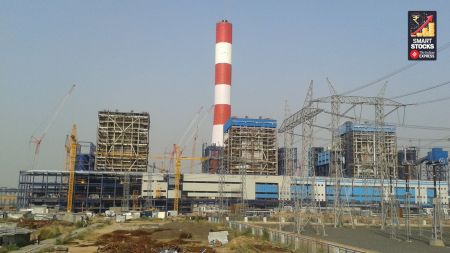
Reliance Power’s stock has jumped 100% in just three months. Project wins, debt cleanup, settlement of legal cases, and fresh funding have raised the hopes of a turnaround. But what do the fundamentals say?

Stock conversations often chase what’s next. Parag Parikh looked at patterns in behaviour that repeated across cycles. His approach avoided hype, focused on fundamentals, and resisted panic. A look at how those ideas continue to guide investment decisions today.

IRCTC’s IPO may be history, but the story is still unfolding. With strong margins in ticketing, steady growth in catering and Rail Neer, and rising tourism demand, IRCTC has evolved into a stable PSU. But where does it go from here, and what does it mean for investors?

Waaree Energies is expanding vertically and horizontally to become an integrated solar company. However, US policy uncertainty is limiting its growth. What does it need to become a multibagger?

Despite a 30% share in the Indian electric scooter market, Ola Electric’s FY25 revenue fell 9% to Rs 4,645 crore, and Q4 EBITDA plunged to –101%. Its stock price has seen a significant drop, falling from a peak of Rs 146 per share to the current trading price of Rs 48 per share. The question now is: Can Ola Electric turn today’s hefty losses into tomorrow’s profits?
SBI Cards has quietly built a massive customer base of over 2 crore cards, capturing nearly 20% of India’s credit card market. In FY25, it reported EPS of Rs 20.2 and RoE of 14.6%. Its profits grew 39% quarter-on-quarter, although still down 19% from last year. So, where does SBI Cards go from here? And what should investors make of it today?
After listing in 2021, Devyani grew rapidly. It opened new stores, added new brands, and expanded outside India as well. But lately, its growth has slowed down. Store-level sales are under pressure, and the stock has stayed flat for months. At the same time, the company has not stopped investing in expansion. The key question now is: can Devyani return to strong growth, or is it entering a longer phase of slow recovery?

An early monsoon onset has set fertiliser stocks on the road to a good Kharif season. This Murugappa Group company is sowing the seeds for earnings growth through innovation, acquisition, and expansion.
Sometimes, even the best-run businesses can become bad bets if their industry is in decline or if you hold on too long without re-evaluating. We look beyond the balance sheet and ask: what is the right time to exit a stock?

After a decade of flat cement prices and margin compression, Ramco Cements may be nearing a cyclical inflection point. With consolidation among big players finally supporting price hikes, the company could benefit from both demand recovery and improved pricing discipline. Trading near historical valuation lows on P/B and EV/EBITDA, Ramco offers a compelling long-term opportunity, provided the cement cycle turns.
From 2015 to 2020, Kotak's stock grew at a rate of about 16% annually. But since 2020, things have slowed down, with returns dropping to less than 5% a year. In a market where investors are rewarding institutions that are growing faster, scaling rapidly, and taking bolder steps in innovation, is Kotak still the quiet compounder it used to be, or has it lost its edge?
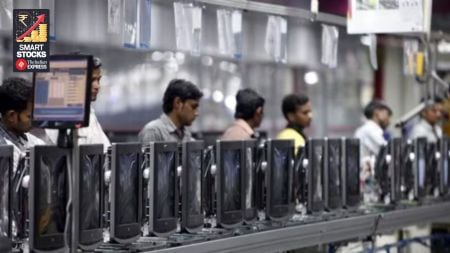
In March this year, the Union Cabinet approved a Rs 23,000 crore PLI scheme for electronics components manufacturing. Can the EMS stocks now pass the growth baton to the new PLI scheme and begin a new chapter of growth through vertical integration?
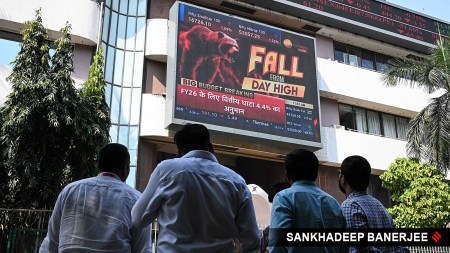
From high valuations to slowing growth and governance red flags, here are three scenarios where reevaluating your investment may be a smart move.

Triveni Turbines reported its highest-ever revenue of Rs 2,005 crore and EBITDA of Rs 517 crore. The stock has rallied nearly 3.5x in the last three years. Is this just the beginning of a longer upcycle, or is most of the good news already priced in?

After a 6x rally since the IL&FS crisis, Shriram Finance’s stock has stabilised at around Rs 600. FY25 saw 17% AUM growth, 3.3% RoA, and strong momentum in MSME, 2W, and passenger vehicle loans. But with NIM compression, lower PCR, and rising competition, the question is: can it sustain the next leg of growth, or has most of the easy upside already played out?
TCS shares have underperformed amid slowing deal momentum and earnings growth, driven largely by weakness in the US market. This raises the question: Could a slowdown in earnings reduce Tata Sons’ dividend income from TCS and impact its future investments?

Despite a historic merger, NBFC crises, and intensifying competition, HDFC Bank has continued to report double-digit profit growth. We look at how India's largest private lender has managed to scale without slipping, and why, for investors, it may still be among the most compelling long-term bets.

Japan’s SMBC is betting big on Yes Bank with a 20% stake. But will it be able to drive the strategy change that Yes Bank needs?